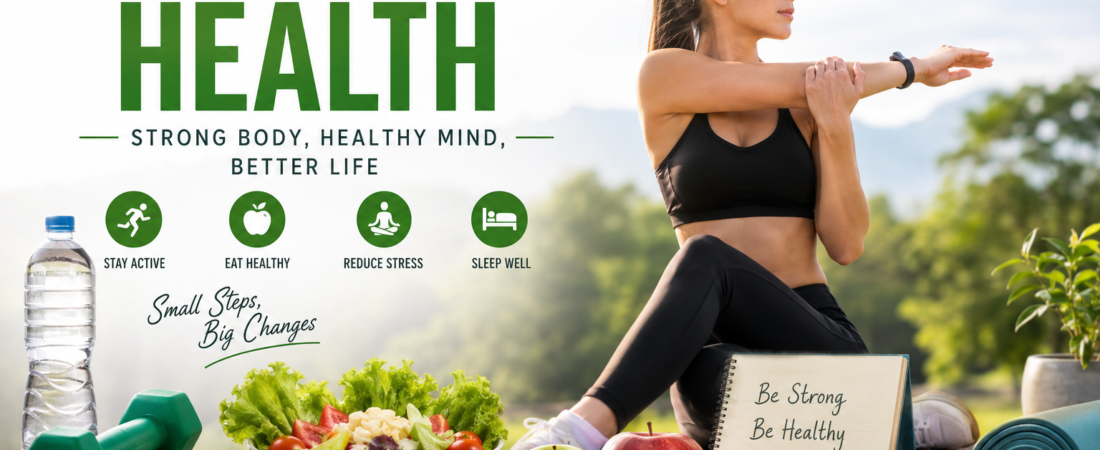
Fitness and Health: A Simple Guide to a Healthier Life
In today’s busy world, maintaining good health can sometimes feel difficult. Long working hours, unhealthy food, stress, lack of sleep, and too much screen time can negatively affect both the body and mind.
The good news is that you don’t need an extreme workout routine or a complicated diet to become healthier. Small, consistent lifestyle changes can make a big difference.
Why Fitness and Health Matter
Fitness is not only about having a muscular body or losing weight. It is about having enough energy to perform daily activities, keeping your body strong, improving your mood, and reducing the risk of many health problems.
A healthy lifestyle can help you:
- Increase energy levels
- Improve physical strength
- Maintain a healthy weight
- Sleep better
- Reduce everyday stress
- Improve confidence
- Support heart and brain health
- Build better long-term habits
1. Exercise Regularly
Regular physical activity is one of the most important parts of a healthy lifestyle. You don’t have to spend hours at the gym. Walking, jogging, cycling, swimming, stretching, or bodyweight exercises can all be useful.
Try to stay physically active throughout the week. If you’re a beginner, start slowly and gradually increase the amount and intensity of exercise.
A simple routine could include:
Walking: 20–30 minutes
Strength exercises: 2–3 times per week
Stretching: 5–10 minutes daily
Light cardio: Several times per week
Choose activities you actually enjoy. You’re more likely to continue an exercise routine when it doesn’t feel like a punishment.
2. Eat a Balanced Diet
Exercise alone isn’t enough for good health. Your body needs nutritious food to function properly.
Try to include a variety of foods in your meals, such as:
- Fruits and vegetables
- Whole grains
- Eggs, fish, beans, and other protein sources
- Nuts and seeds
- Healthy sources of fats
- Low-fat or suitable dairy alternatives
At the same time, limit excessive amounts of highly processed foods, sugary drinks, and foods high in added sugar or salt.
You don’t need to completely eliminate your favorite foods. The key is balance and moderation.
3. Drink Enough Water
Water is essential for the human body. Staying hydrated supports normal body functions and can help you feel more energetic.
Make water your main drink throughout the day, and drink more when you’re exercising or spending time in hot weather.
Your hydration needs can vary depending on your activity level, climate, diet, and individual health.
4. Get Quality Sleep
Sleep is often overlooked when people talk about fitness, but it is an important part of overall health.
Most adults need around 7–9 hours of sleep per night. Good sleep can support concentration, mood, recovery, and everyday performance.
To improve your sleep:
- Keep a consistent sleep schedule
- Reduce screen use before bed
- Avoid excessive caffeine late in the day
- Keep your bedroom comfortable and quiet
- Create a relaxing bedtime routine
5. Take Care of Your Mental Health
Being healthy isn’t just about your physical body. Mental and emotional well-being are equally important.
Stress is a normal part of life, but constant stress can affect your overall well-being. Try activities that help you relax, such as walking, reading, meditation, spending time with family, or enjoying a hobby.
If you are experiencing persistent sadness, anxiety, or other mental health difficulties, consider talking with a qualified healthcare professional.
6. Stay Consistent
One of the biggest mistakes people make is expecting instant results.
You don’t need to completely change your lifestyle overnight. Start with small goals.
For example:
Week 1: Walk for 15–20 minutes each day.
Week 2: Add simple strength exercises.
Week 3: Improve your meals and reduce sugary drinks.
Week 4: Build a consistent sleep schedule.
Small improvements repeated over time can become powerful habits.
A Simple Healthy Daily Routine
Here is an example of a basic daily routine:
Morning:
Wake up, drink water, eat a nutritious breakfast, and take a short walk or stretch.
Afternoon:
Eat a balanced lunch and stay physically active when possible.
Evening:
Complete your workout or go for a walk. Have a balanced dinner and spend some time relaxing.
Night:
Reduce screen time, prepare for the next day, and aim for a consistent bedtime.
Final Thoughts
Fitness and health are not short-term challenges. They are part of a lifelong journey.
You don’t need to be perfect. Focus on making better choices most of the time: move your body, eat nutritious foods, drink enough water, sleep well, manage stress, and stay consistent.
The most important step is simply to start.
Remember: a healthier life is built through small habits repeated every day.
Disclaimer: This article is for general educational purposes and is not a substitute for professional medical advice. If you have a medical condition, are pregnant, take medications, or are starting a new exercise program after a long period of inactivity, consult a qualified healthcare professional.